
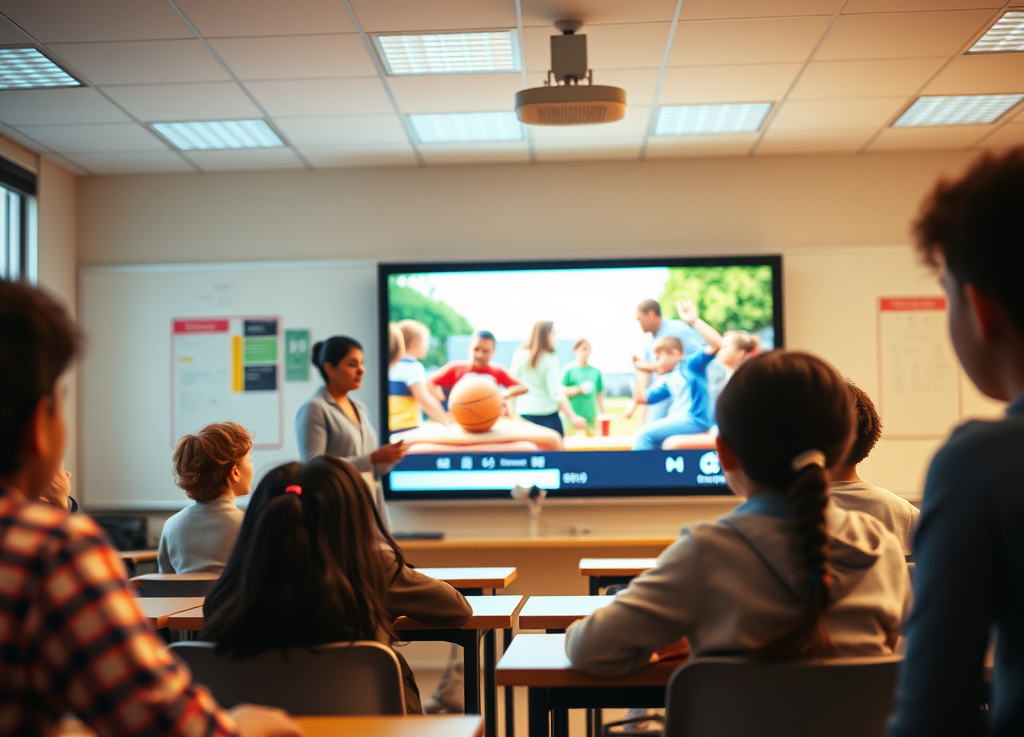
Discover how to use video to create more inclusive and engaging learning experiences for all students. Learn practical tips and strategies to implement video effectively in your classroom.
Tag: learning
Discover how to use video to create more inclusive and engaging learning experiences for all students. Learn practical tips and strategies to implement video effectively in your classroom.
Discover how providing choice in the classroom can create a more inclusive and engaging learning environment for all students. Learn about the benefits of choice and practical tips for implementing it effectively.
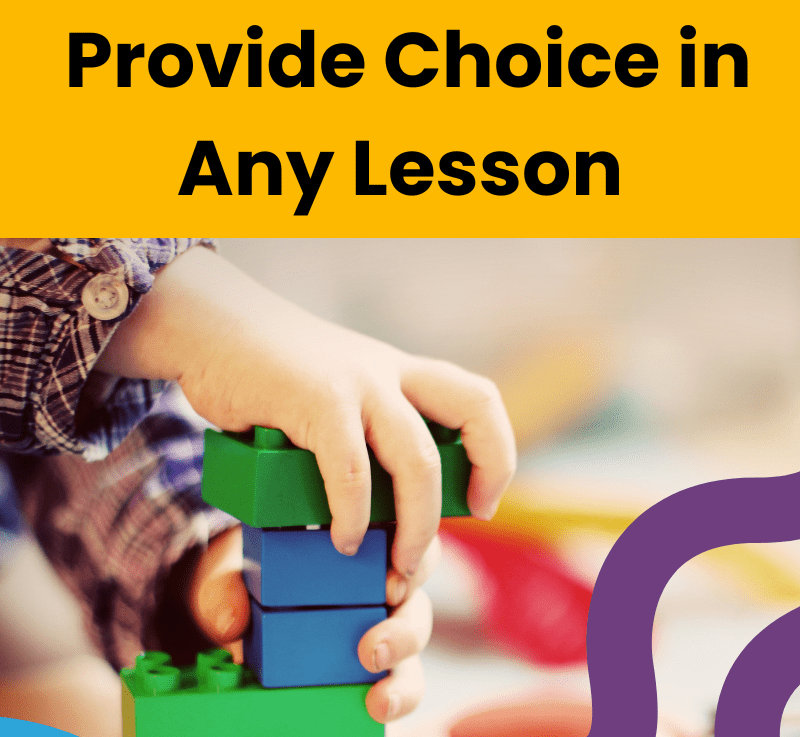
Why not start small? Providing choices for learners does not have to be extravagant projects or tasks such as choice boards. It can also be the small, simple options we give our learners between projects and tasks. They can be as simple as allowing learners to make a choice about where they sit in the lesson or how they interact when answering a question. These simple choices provide snippets of autonomy for learners and are designed in a way that allows learners to see that they will be successful in at least one of the options.
This routine allows learners to verbalise their thinking and learning to a peer as well as allowing them to hear the learning of others. In telling your neighbour learners are first given a problem to solve. They have a set amount of time to solve the problem. This depends on the problem or task of course. Then learners are given time to think about how they solved the problem. They can do this by drawing/diagram, writing or thinking in their heads. This is silent time. Then learners turn to their neighbour and tell them their answer and how they solved the problem.

Reflection is a learning experience for the educator and it doesn't matter how long you have been in this game, it is still important to reflect on a lesson or two. In this post I am going to share how I reflect on my learning experiences using visuals.
A clear goal is the very foundation of effective curriculum (Meyer, Rose, & Gordon, 2014). Why not represent the learning goal in multiple ways for learners? This routine supports learners to know and have a clear example of what they will be able to do by the end of the lesson as well as representing the learning goal in many ways.
Traditional education supports our learners who have strengths in language, self-regulation and executive functions but what happens when the learners in front of us don't have those strengths?
We all know how important vocabulary is to reading comprehension and the importance of teaching vocabulary explicitly (Fisher et al., 2016). This routine is used after the explicit teaching of vocabulary. This routine allows learners to review and apply their understanding of the focus word in different ways.

One minute pause is a routine that allows learners time to reflect and process the learning that has just occurred. This allows learners to deepen their understanding of the topic just learned (Stein, 2024). This routine is referred to by Elizabeth Stein (2024), as a strategy that teaches within the spaces of teaching.

Big ideas give us real clarity of what we need to teach and why we need to teach it. The big ideas within learning areas, units of work and learning experiences are the big pictures our learners need to understand for the real world.
 Many Ways Education