
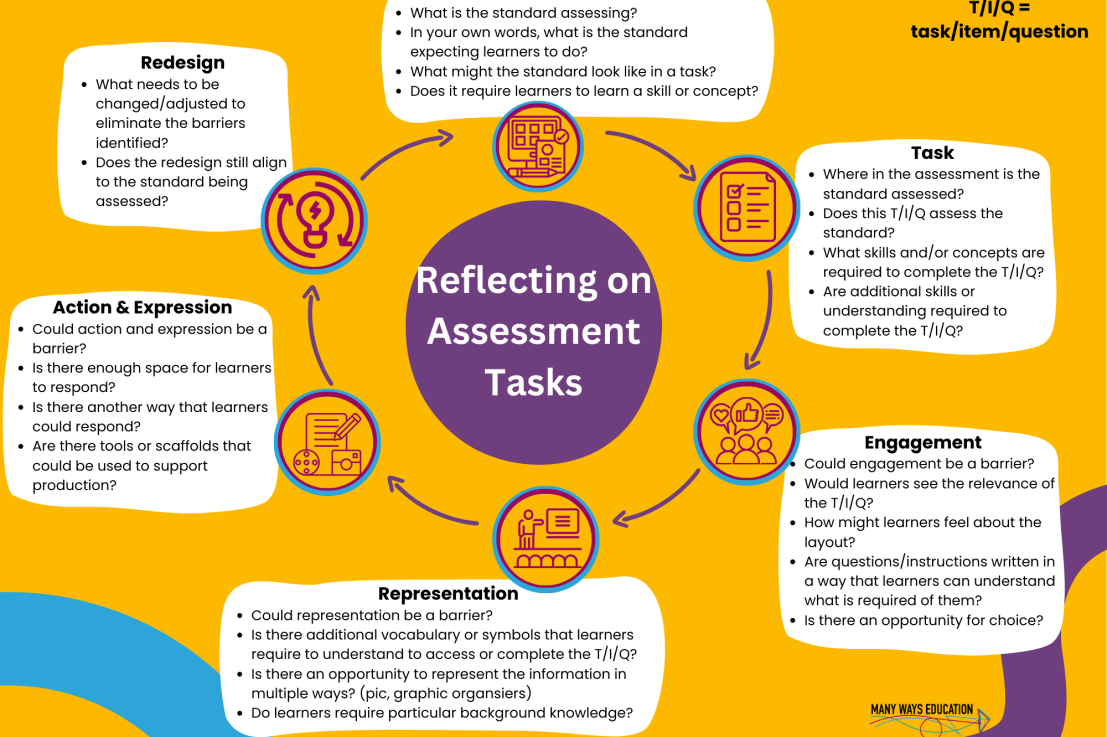
It's the beginning of the school year here in Australia and what a good time to reflect on upcoming assessment tasks before you dive into unit planning. If you're lucky enough to have assessment tasks already created well this post is for you.
Tag: student success
It's the beginning of the school year here in Australia and what a good time to reflect on upcoming assessment tasks before you dive into unit planning. If you're lucky enough to have assessment tasks already created well this post is for you.

One of the great things about UDL is that there are so many great resources for educators to learn and explore UDL. The resources below have ensured that UDL is accessible for all educators.

There are six key components of a learning goal that includes all learners. They include ensuring the goal is aligned to the standard, is clear, relevant, and meaningful to learners and is flexible in means. It also needs to challenge all learners. It may sound like a lot, but they are simple once you know what they are and how to do them. Read on for more.

Goals of this post: Understand what construct relevance is A process to ensure integrity while keeping flexible means when planning for assessment Key ideas: Always refer back to the standard when considering if a task will Terms you might need to know for this post: Achievement standard - what is assessed in the Australian curriculum … Continue reading How to Create Multiple Means in Assessment
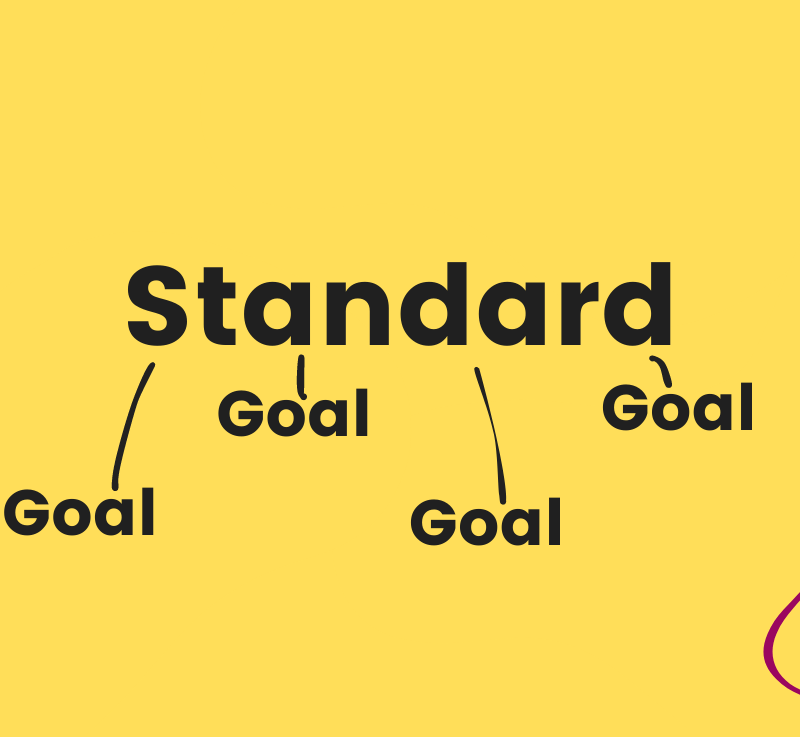
The goals of this post: Explain the difference between content and method standards Identify how to unwrap the standard to start to determine the goals of lessons Key ideas: There are two types of standards in the curriculum Unwrap the standard to identify the skills and concepts required Use other areas of the curriculum to … Continue reading How to Use Curriculum Standards to Create UDL Lesson Goals
The goal of this post: Explain why flexibility and choice created by multiple means is important in your classroom Key ideas: By providing multiple means you are catering for diversity in learners, developing expert learners, being more present in lessons and allowing students to achieve success Introduction If you are an UDL fan like me, … Continue reading Four BIG Reasons Why You Should Use Multiple Means in Your Lessons
 Many Ways Education